Quick summary
If your concrete driveway has large cracks, sinking sections, drainage issues, or multiple safety hazards, it is usually time for a full replacement, not a repair. As a rule, if repair costs approach 50 percent of replacement costs, replacement is the more cost effective long term solution.
If you are unsure, Auckland Pathways can assess your driveway’s condition and recommend the best path forward.
Quick overview of driveway replacement
Driveway replacement vs resurfacing
Driveway resurfacing adds a new layer over an existing driveway surface. It is a temporary fix if the base is still structurally sound.
Driveway replacement involves removing the existing driveway and rebuilding from the base up. This is required when structural deterioration is present.
Typical lifespan
- Concrete driveway: 20 to 30 years
- Asphalt driveway: 15 to 25 years
For a closer look at what affects a concrete surface’s lifespan, see how long a concrete driveway usually lasts.
Top deciding factors
- Structural integrity
- Drainage performance
- Safety concerns
- Cost of repairs vs replacement
- Property value and curb appeal
Key factors to consider before driveway replacement
Structural condition
If your driveway’s condition shows signs of structural problems such as deep cracks or movement, replacement is often required.
Drainage issues
Poor drainage leads to:
- Water pooling
- Soil erosion
- Damage to your home’s foundation
Safety hazards
Trip hazards, uneven slabs, and slippery surfaces create risks for:
- Vehicles
- Pedestrians
Repair vs replacement cost
If a repair job costs close to half the replacement cost, a full replacement is usually the better investment.
Curb appeal and resale
A worn out driveway reduces property value. A new driveway can significantly improve front yard presentation and resale potential.
Five signs your concrete driveway needs replacement
These warning signs help determine whether your existing driveway needs a complete replacement or if minor repairs are still viable.
1. Significant cracking on concrete driveways
What to look for
- Cracks wider than 3 to 5mm
- Large cracks spreading across multiple slabs
- Interconnected or alligator cracking patterns
What it means
These cracks indicate underlying issues such as:
- Soil movement
- Water penetration
- Loss of structural integrity
If cracks continue to multiply, replacement is the best long term solution.
2. Sinking, settling, or heaving sections
How to identify
- Noticeable height differences between slabs
- Uneven surface when walking or driving
- Sections that dip or lift
Temporary fixes
Slabjacking can lift sections temporarily, but it does not fix underlying soil issues.
When to replace
If multiple sections are affected, a full replacement with proper base preparation is required.
3. Extensive spalling, pitting, or surface wear
What is spalling?
Spalling is when the surface layer of concrete breaks down, exposing aggregate beneath.
Replacement threshold
- Widespread surface wear across the driveway
- Deep pitting or flaking
- Surface becoming rough and unsafe
In these cases, resurfacing may not be sufficient, and replacement is recommended.
4. Persistent drainage issues affecting concrete driveways
Signs of poor drainage
- Standing water or pooling water
- Water flowing toward your home or garage
- Erosion around edges
Why it matters
Poor drainage affects:
- Driveway lifespan
- Structural stability
- Surrounding landscaping
If the slope is incorrect, only replacement can correct the grade and restore proper drainage.
5. Safety hazards and multiple problem areas
Warning signs
- Tripping hazard from uneven slabs
- Slippery surfaces due to wear
- Multiple issues across the driveway
When several problems exist at once, replacement is usually the most suitable option.
Asphalt driveway: when to resurface vs replace
Resurfacing basics
Resurfacing involves applying a new asphalt layer over the existing driveway.
When resurfacing works
- Surface wear only
- Minor cracks
- Structurally sound base
When to replace asphalt
- Deep cracks or base failure
- Poor drainage
- Multiple repairs over time
Lifecycle comparison
- Asphalt is a cost effective option initially
- Concrete offers longer service life and durability
Curb appeal and cosmetic reasons to replace driveways
Even if structurally sound, some homeowners choose replacement to improve curb appeal.
When replacement makes sense
- Patchwork repairs reduce visual appeal
- Old driveway does not match landscaping
- You want decorative finishes such as coloured concrete or exposed aggregate
Resurfacing can improve appearance short term, but replacement offers a clean, long lasting result. If you are weighing up finish options for the new surface, see our guide to the best types of concrete finishes.
Cost considerations and cost effective strategies
Typical replacement costs (NZ guide)
- Concrete driveway: $120 to $220 per square metre
- Asphalt driveway: $80 to $150 per square metre
For a fuller cost breakdown by material and finish, see our concrete driveway cost guide.
Decision rule
If repair costs exceed 40 to 50 percent of replacement costs, replacement is usually the better path.
Long term value
A new concrete driveway:
- Requires minimal upkeep
- Improves property value
- Provides a longer service life
Drainage issues: assessment and replacement solutions
How to assess drainage
- Check water flow after rain
- Look for pooling water
- Inspect edges for erosion
When replacement is required
- Incorrect slope
- Base failure due to water
- Regrading needed across entire driveway
Adding drains alone is not always a suitable option if the base design is flawed.
Concrete services and professional assessment
Before making a replacement decision:
- Engage a reliable concrete contractor
- Request an accurate assessment of structural integrity
- Ask for base compaction and soil evaluation
What to request
- Written quotes
- Scope of work
- Warranty details
- Examples of past projects
A professional team ensures your new concrete driveway is properly installed for long term durability. Our concrete and excavation services cover this full process from assessment through to the finished pour.
Timing the project: wait a few more years or act now
When you can wait
- Minor issues only
- Small cracks that are stable
- Structurally sound base
Temporary fixes
- Crack sealing
- Surface cleaning
- Minor patching
When to act now
- Rapidly worsening cracks
- Drainage issues affecting your property
- Safety concerns
Delaying replacement in these cases can increase overall costs.
Planning driveway replacement: steps and timeline
Key steps
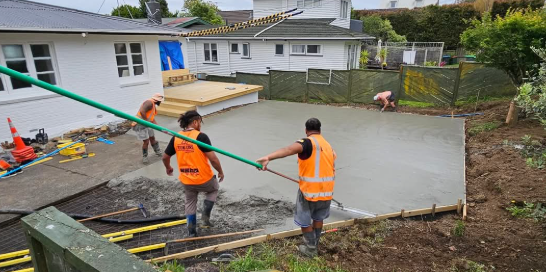
- Demolition and removal of existing driveway
- Excavation and base preparation
- Compaction and reinforcement
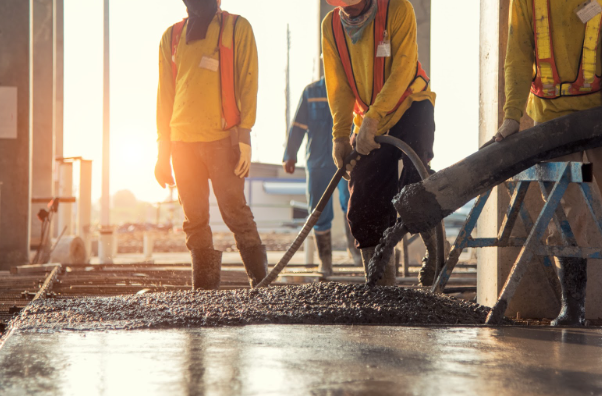
- Pouring new concrete
- Finishing and control joints
- Curing period
Timeline
- Preparation and pour: 1 to 3 days
- Curing before vehicle use: 5 to 7 days
- Full strength: 28 days
Post installation
- Apply sealer
- Follow maintenance plan
Decision checklist and FAQs for driveway replacement
Quick checklist
- Are cracks widening or spreading?
- Is there sinking or uneven surface?
- Is water pooling or draining poorly?
- Are there safety hazards present?
- Are repair costs adding up?
If you answered yes to several of these, replacement is likely the best option. For more general questions, see our FAQ page.
Need expert advice on your driveway?
At Auckland Pathways, we specialise in driveway replacement, new concrete driveways, and outdoor concrete solutions across Auckland.
Our experienced team delivers:
- Proper base preparation
- High quality materials
- Durable, long lasting results
If you are unsure whether your driveway needs repair or replacement, contact Auckland Pathways today for a free quote and expert assessment tailored to your property.
FAQs
When should a driveway be replaced?
When structural issues, drainage problems, or safety hazards are present across multiple areas.
Can resurfacing fix my driveway?
Only if the base is structurally sound and damage is limited to the surface.
How do I know if my driveway is structurally sound?
A professional inspection from concrete services is the most accurate way to determine this.