
Precision and Efficiency, Every Time
Auckland's Trusted Concrete and Excavation Experts.
Welcome to Auckland Pathways , your trusted concrete contractor in concrete and excavation services. Specializing in top-tier concrete solutions and expert digging operations, we bring precision and efficiency to every project.
Who We ARE
"At Auckland Pathways, we bring a true Kiwi ‘can-do’ attitude to every project. With clear communication and a commitment to excellence, we turn your vision into reality. Backed by over 30 years of experience, our dedicated team ensures precision and quality in every step of the journey."

SERVICES
Your Project,
Our Expertise

Project Management
We simplify your next project by taking care of all the details. From organizing resources to scheduling tasks, our team ensures smooth execution and on-time delivery. Let us manage the logistics while you focus on the bigger picture.

Concrete
Whether it’s a durable driveway, an elegant patio, or sturdy footings, we specialize in high-quality concrete services. From broom to exposed finishes, our team delivers flawless results that enhance the functionality and appearance of your space.

Digger Works
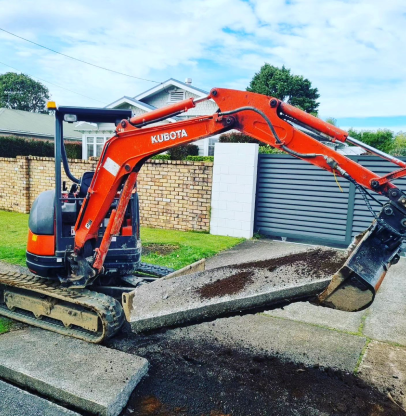
Our digger services include everything from trenching to concrete prep and breaking. We also build retaining walls and lay footings, offering efficient, reliable solutions for any excavation or groundwork needed on your project.
Areas We Serve
Concrete Contractor Near You
East Auckland Suburbs:
Central Auckland Suburbs:
- Auckland CBD
- Ponsonby
- Grey Lynn
- Parnell
- Newmarket
- Grafton
- Freemans Bay
- Eden Terrace
- Herne Bay
- St Marys Bay
- Kingsland
- Mount Eden
- Eastern Bays Suburbs
- Mission Bay
- Kohimarama
- St Heliers
Central-East Auckland:
- Mount Wellington
- Ellerslie
- Stonefields
- Panmure
- St Johns
- Meadowbank
- Remuera
South Auckland Suburbs:
- Manukau
- Papatoetoe
- Otahuhu
- Māngere
- Māngere Bridge
- Ōtara
- Manurewa
- Takanini
- Papakura
- Drury
- Pukekohe
Testimonials
Listen What Our
Clients Say
Ready to Be Our Next Success Story?

Gallery
From Vision
to Reality



Frequently Asked Questions
Got Any Questions? Read Our FAQ
Got questions about polished concrete floors? No worries. We’ve been in the industry long enough to have faced just about every situation you could imagine. Take a look at some of our most frequently asked questions regarding concrete floor polishing.
Take some time to read through some of our most frequently asked questions. The majority of these questions are general. Since a lot of situations are unique, we encourage you to reach out and contact us if you have a specific question that you don’t see answered here and one of our top-notch experts will help you get it sorted.
What is concrete made of?
Concrete is a mixture of cement, water, sand, and aggregates (like gravel or crushed stone). These materials combine to form a hard, durable substance when they cure or harden.
How long does concrete take to cure?
How thick should my driveway be?
The thickness of a driveway typically depends on the expected load and the type of concrete used. Here’s a general guideline:
What’s the difference between cement and concrete?
How do I know if concrete has cured properly?
Why does concrete crack?
How do you prevent concrete from cracking?
How strong is concrete?
Can I add color to concrete?
What are control joints in concrete?
How can I prevent cracks in concrete?
- Ensure proper mixing of the concrete.
- Use reinforcement like rebar or wire mesh.
- Implement control joints.
- Cure the concrete properly (keep it moist and at the right temperature).
- Use proper expansion joints to allow for movement.
What is the ideal concrete mix?
- 1:2:3 mix (1 part cement, 2 parts sand, 3 parts aggregates) is commonly used for general-purpose concrete.
- For stronger concrete, use a lower water-to-cement ratio and higher cement content.
How do I properly finish concrete?
- Screeding to level the surface.
- Troweling to smooth and compact the surface.
- Edging to create neat borders.
- Broom finishing for texture, improving slip resistance.
How can I protect concrete from damage?
- Apply a sealant to prevent moisture infiltration and staining.
- Ensure proper drainage to avoid water pooling on the surface.
- Keep it clean to avoid surface degradation from chemicals or salt.
What are the benefits of using concrete?
- Durability: Strong and long-lasting.
- Versatility: Can be molded into various shapes.
- Fire resistance: Concrete is non-combustible.
- Low maintenance: Requires little upkeep over time.
What is the environmental impact of concrete?
What is high-strength concrete used for?
How can I color concrete?
- Integral pigments mixed into the concrete during batching.
- Concrete stains or dyes applied to the surface.
How do I properly finish concrete?
- Screeding to level the surface.
- Troweling to smooth and compact the surface.
- Edging to create neat borders.
- Broom finishing for texture, improving slip resistance.